
NEWS
Former Prince Andrew, the brother of King Charles III has been arrested on charges related to Epstien

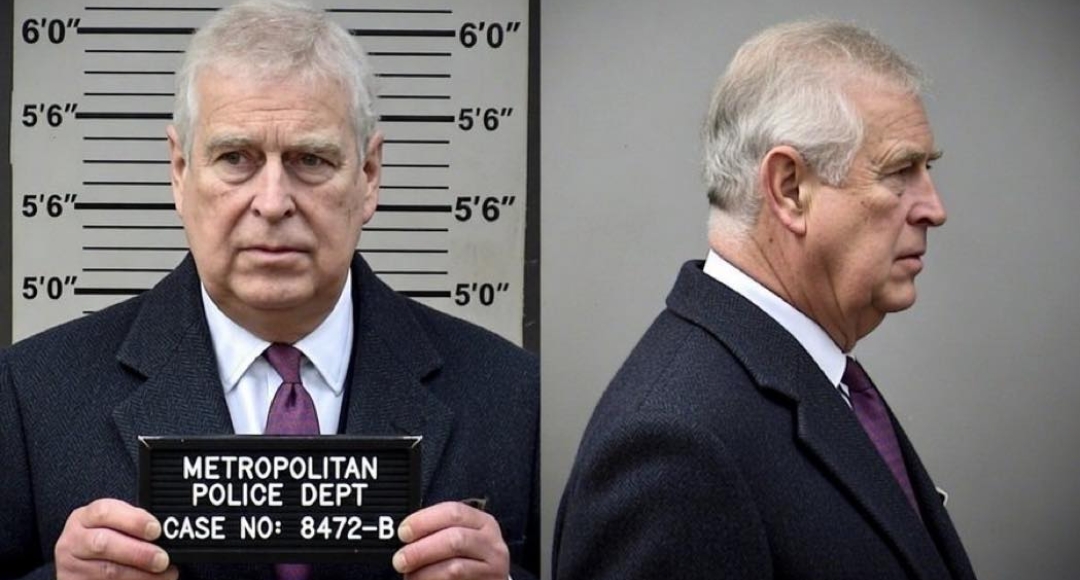
News of the arrest of Prince Andrew has sent shockwaves through the United Kingdom and beyond, reigniting long-standing questions about power, privilege, and accountability at the highest levels of society.
Prince Andrew, the Duke of York and younger brother of King Charles III, has long been a controversial figure within the British royal family. His association with the late financier Jeffrey Epstein has cast a shadow over the monarchy for years. Now, with reports of his arrest on charges connected to Epstein, that shadow has grown darker than ever.
The allegations stem from Andrew’s past friendship with Epstein, who was arrested in 2019 on federal sex trafficking charges and later died in jail while awaiting trial. Over the years, multiple lawsuits and investigations have examined Epstein’s network of powerful associates, drawing global attention to the circles in which he moved. Prince Andrew’s ties to Epstein were widely scrutinized, particularly after photographs emerged showing the two together and after Andrew admitted to maintaining contact with him even after Epstein’s earlier conviction.
Public scrutiny intensified following Andrew’s controversial 2019 interview with the BBC on its flagship program Newsnight. In that interview, he denied wrongdoing but faced widespread criticism for what many saw as a lack of empathy and poor judgment. The fallout was swift: he stepped back from public royal duties and gradually withdrew from official life. In 2022, he reached a settlement in a civil lawsuit filed in the United States by Virginia Giuffre, who accused him of sexual abuse. Andrew has consistently denied the allegations and has never admitted liability.
If the current arrest reports are confirmed and tied directly to criminal charges related to Epstein’s activities, it would mark an unprecedented moment in modern British royal history. Never before has a senior member of the royal family faced arrest under such globally watched circumstances. Legal experts suggest that any charges would likely stem from renewed investigations into Epstein’s broader network, potentially involving cooperation between U.S. and U.K. authorities.
The implications for the monarchy could be profound. Since ascending the throne after the death of Queen Elizabeth II in 2022, King Charles III has sought to modernize and streamline the royal family, focusing on a smaller working core of senior royals. Prince Andrew had already been largely sidelined from public life, stripped of military affiliations and patronages. However, a formal arrest would deepen the crisis and could fuel renewed debates about transparency, accountability, and the institution’s role in contemporary society.
Public reaction has been swift and divided. Critics argue that justice must apply equally, regardless of status or title. Supporters of the monarchy, meanwhile, stress that the legal process must unfold without prejudice and that allegations do not equate to guilt. Social media platforms have erupted with commentary, speculation, and calls for clarity from both the royal household and law enforcement authorities.
Political leaders have so far been cautious in their responses, emphasizing respect for due process. Constitutional experts note that while the monarchy is largely ceremonial in modern Britain, scandals involving senior royals can still have significant reputational consequences for the institution as a whole.
Internationally, the arrest would also reverberate in the United States, where Epstein’s crimes were prosecuted and where many of his alleged victims reside. American authorities have continued to investigate individuals connected to Epstein’s operations, and cooperation between jurisdictions has been ongoing in related matters.
At the center of it all remains a larger, troubling narrative: how a convicted offender was able to cultivate relationships with influential figures across politics, business, academia, and royalty. For years, Epstein’s case has symbolized the intersection of wealth, influence, and alleged exploitation. Any new legal action tied to his network inevitably reopens old wounds and unanswered questions.
For Prince Andrew, the legal battle ahead could be long and highly public. For the royal family, it represents yet another test in an era already marked by change, internal tensions, and evolving public expectations.
As authorities provide further details, the world will be watching closely. Whether this development leads to convictions, dismissals, or prolonged court proceedings, one thing is clear: the Epstein scandal continues to cast a long and complicated shadow, reaching even into the heart of Britain’s most historic institution.


BREAKING: Iran attacks US 5th fleet in Bahrain after Trump launched ‘massive’ US and Israeli attack on Iran

Donald Trump is issuing an executive order declaring a “national emergency” to give himself unprecedented powers over elections. The order could allow him to interfere with voting ahead of the midterm elections.

BREAKING: Donald Trump is reportedly “raving mad” that Democrats will be broadcasting a live feed of his SOTU speech tonight from a thermal camera that shows if he poops himself, and is furious that this “Trump Dump Detector” could get more viewers than the regular broadcast.

BREAKING: The Republicans deposing Bill and Hillary Clinton over the next two days are reportedly extremely nervous because Donald Trump—very out of character—hasn’t said a word about it, and they’re afraid the Clintons’ answers might lead to the end of Trump’s presidency.

At the 2026 State of the Union, Sen. Markwayne Mullin Tries to Snatch Rep. Al Green’s “Black People Aren’t Apes” Sign Referencing Donald Trump’s Truth Social AI Post Depicting the Obamas as Apes — Green Files Criminal Assault Charges, Says Mullin “Doesn’t Like the Truth Seeping Through,” and Claims His Explanation Shows He’s Desperate to Please Trump

JUST IN: Minnesota Gov. Tim Walz calls for the U.S. to pass a law requiring that when Congress votes to go to war, an immediate family member of each member of Congress must immediately be enlisted. See Trump’s Enraged 6-Words Reaction

Appointed AG Jack Smith had 86 witnesses ready to covict Donald Trump for attempting a goddamn coup and all of them were Republicans. His report was then blocked by Trump appointed Judge Aileen Cannon.

BREAKING: Taylor Swift and Travis Kelce’s Secret Vacation in Mexico Turns Tragic in Puerto Vallarta as Mexican Cartel Sets Fires, Pulls People from Their Cars, and Burns Vehicles After a Cartel Leader Was Killed — With Heavy Hearts, Sources Confirm the Couple Has Been…

JUST IN: Greenland PM Jens-Frederik Nielsen says: “President Trump’s idea to send a US hospital ship here to Greenland has been duly noted. But we have a public health system where care is free for citizens.”

JUST IN: Denmark just officially rejected President Trump’s sudden deployment of a “great hospital boat” to Greenland, bluntly declaring the territory does not need foreign healthcare

BREAKING: Top GOP pollsters warn that if Trump keeps tariffing the world, and starts a war in Iran, and doesn’t arrest any other Epstein pedophiles, and keeps stealing billions of tax dollars, “The Dems will win enough Senate seats to impeach him and JD for President Jeffries.”
