
NEWS
BREAKING: Donald Trump has reportedly been calling foreign countries’ justice departments all weekend threatening and begging them to drop their Epstein investigations

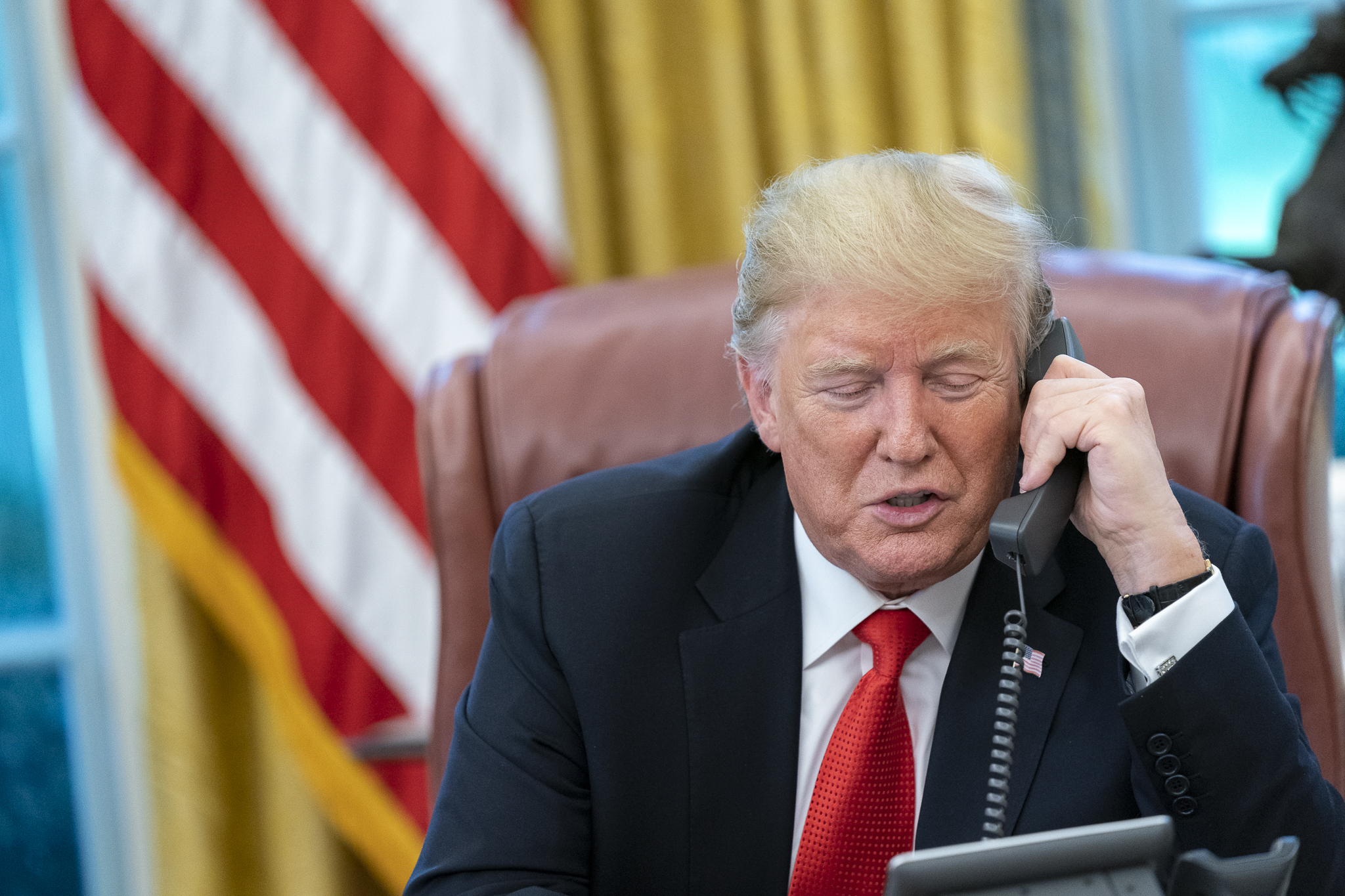
Reports are rapidly circulating online claiming that former President Donald Trump has been contacting foreign justice departments over the weekend regarding ongoing investigations tied to Jeffrey Epstein and individuals connected to him.
The allegations suggest that he urged officials in other countries to reconsider or halt investigative actions, including subpoenas for emails and testimony from alleged Epstein associates. As of now, however, there has been no official confirmation from foreign governments, U.S. authorities, or Trump’s representatives verifying that such calls or communications took place.
The claims appear to have originated from unnamed sources and social media discussions, quickly gaining traction because of the explosive nature of anything connected to Epstein. The financier’s 2019 arrest and subsequent death in jail left behind a web of unanswered questions, particularly regarding the powerful figures who once moved in his social circle.
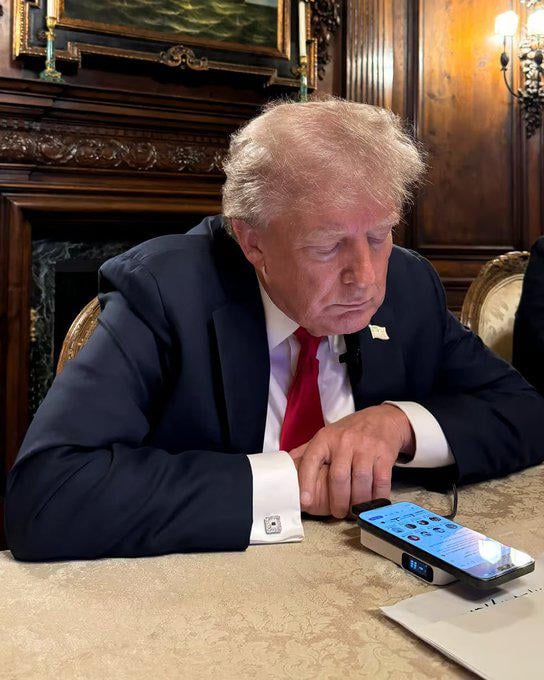
Investigations into his activities and alleged accomplices have stretched beyond U.S. borders, involving financial records, travel histories, and communications that span multiple countries. Because of that international scope, any suggestion that a political figure attempted to influence foreign legal processes would immediately raise serious concerns if proven true.
Trump and Epstein were known to have crossed paths decades ago in New York and Palm Beach social circles. Photographs and past interviews confirm they attended some of the same events in the 1990s. Trump has publicly stated in the past that he cut ties with Epstein long before Epstein’s legal troubles escalated and has denied any wrongdoing related to Epstein’s crimes. Importantly, Trump has not been charged with any offense connected to the Epstein case. That context makes current online allegations particularly sensitive, especially in a political environment already defined by intense scrutiny and division.
Supporters of the former president have dismissed the reports as unverified speculation, arguing that dramatic claims often spread quickly without solid evidence. Critics, on the other hand, say that even the possibility of attempting to influence international investigations would warrant serious examination if credible proof emerges. At this stage, there is no publicly available documentation confirming that any such outreach occurred, and no formal investigative body has announced findings supporting the allegations.
The situation underscores how rapidly unverified information can circulate in today’s digital landscape. Stories connected to Epstein tend to ignite strong reactions because of the magnitude of his crimes and the powerful names historically linked to him. In politically charged moments, narratives can accelerate ahead of confirmed facts, leaving the public sorting through competing claims and counterclaims.
Whether this story develops further will likely depend on statements from official justice departments, documentation of communications, or reporting from established investigative outlets. Until then, the allegations remain unconfirmed. In a case already surrounded by secrecy, legal complexity, and global attention, clarity will ultimately determine whether these claims represent a significant development or simply another wave of online speculation.

BREAKING: Donald Trump Addresses the Nation After Being Impeached and Removed from Power

BREAKING: Iran attacks US 5th fleet in Bahrain after Trump launched ‘massive’ US and Israeli attack on Iran

Donald Trump is issuing an executive order declaring a “national emergency” to give himself unprecedented powers over elections. The order could allow him to interfere with voting ahead of the midterm elections.

BREAKING: Donald Trump is reportedly “raving mad” that Democrats will be broadcasting a live feed of his SOTU speech tonight from a thermal camera that shows if he poops himself, and is furious that this “Trump Dump Detector” could get more viewers than the regular broadcast.

BREAKING: The Republicans deposing Bill and Hillary Clinton over the next two days are reportedly extremely nervous because Donald Trump—very out of character—hasn’t said a word about it, and they’re afraid the Clintons’ answers might lead to the end of Trump’s presidency.

At the 2026 State of the Union, Sen. Markwayne Mullin Tries to Snatch Rep. Al Green’s “Black People Aren’t Apes” Sign Referencing Donald Trump’s Truth Social AI Post Depicting the Obamas as Apes — Green Files Criminal Assault Charges, Says Mullin “Doesn’t Like the Truth Seeping Through,” and Claims His Explanation Shows He’s Desperate to Please Trump

JUST IN: Minnesota Gov. Tim Walz calls for the U.S. to pass a law requiring that when Congress votes to go to war, an immediate family member of each member of Congress must immediately be enlisted. See Trump’s Enraged 6-Words Reaction

Appointed AG Jack Smith had 86 witnesses ready to covict Donald Trump for attempting a goddamn coup and all of them were Republicans. His report was then blocked by Trump appointed Judge Aileen Cannon.

BREAKING: Taylor Swift and Travis Kelce’s Secret Vacation in Mexico Turns Tragic in Puerto Vallarta as Mexican Cartel Sets Fires, Pulls People from Their Cars, and Burns Vehicles After a Cartel Leader Was Killed — With Heavy Hearts, Sources Confirm the Couple Has Been…

JUST IN: Greenland PM Jens-Frederik Nielsen says: “President Trump’s idea to send a US hospital ship here to Greenland has been duly noted. But we have a public health system where care is free for citizens.”

JUST IN: Denmark just officially rejected President Trump’s sudden deployment of a “great hospital boat” to Greenland, bluntly declaring the territory does not need foreign healthcare
