
CELEBRITY
Asal, a freelance designer in her 30s living in Tehran, used to get projects from abroad all the time. But after nearly two months without the internet, she told CNN by phone, “no new projects, no replies. It’s like everything just stopped overnight.” Asal is one of several million Iranians for whom Iran’s conflict with the United States and Israel is deeply personal. They have lost their work and are being pushed into poverty.

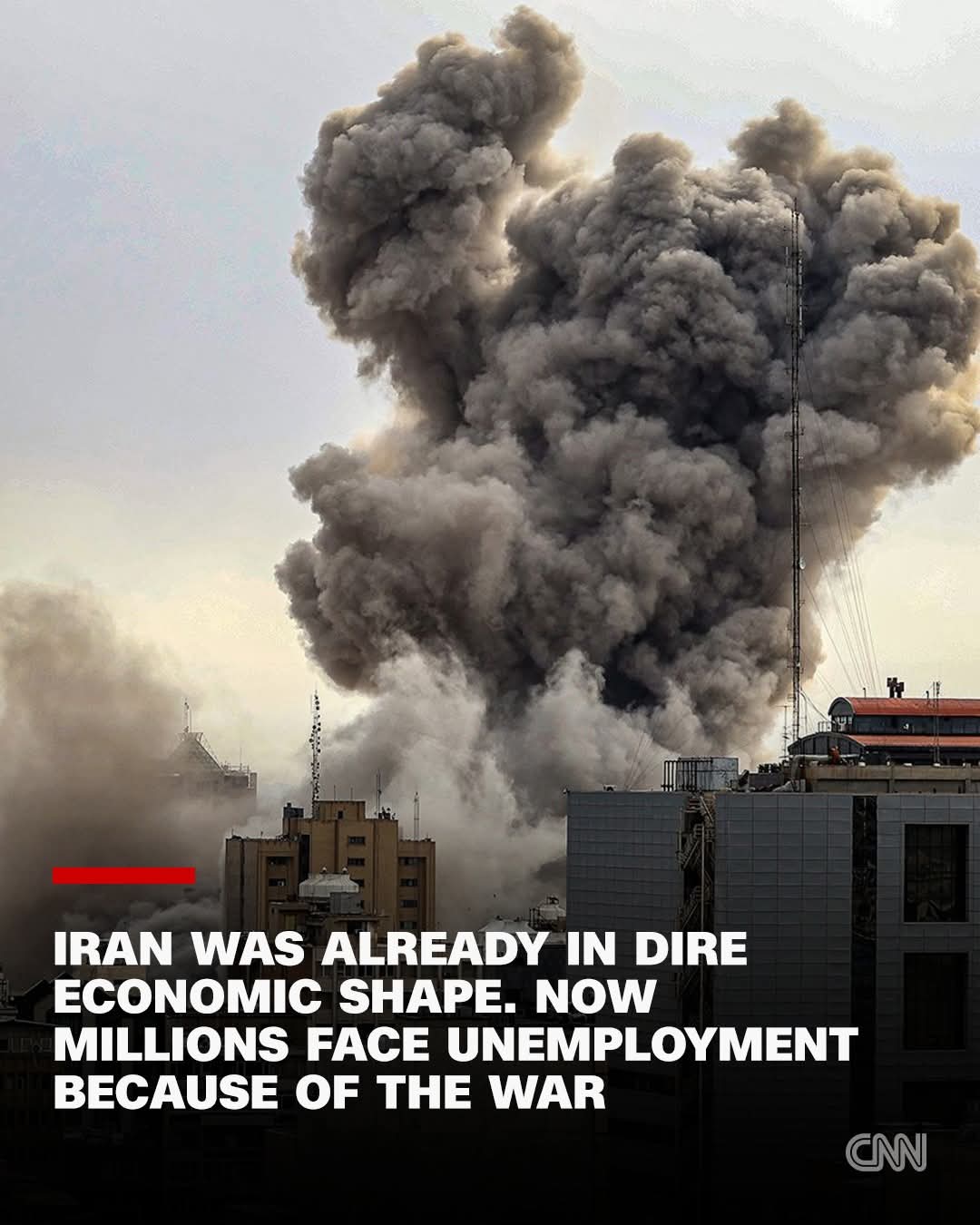
Asal, a freelance designer in her 30s living in Tehran, used to get projects from abroad all the time.
But after nearly two months without the internet, she told CNN by phone, “no new projects, no replies. It’s like everything just stopped overnight.”
On the verge of tears, she said her income doesn’t even cover her basic expenses anymore. She and others who spoke with CNN for this story asked only to use their first name for privacy reasons.
Asal is one of several million Iranians for whom Iran’s conflict with the United States and Israel is deeply personal. They have lost their work and are being pushed into poverty.
Few sectors have been spared. Among the legions of newly unemployed are refinery and textile workers, truck drivers, flight attendants and journalists.
Iran’s economy was in a dire state before the conflict. National income per person had fallen from about $8,000 in 2012 to $5,000 in 2024, ravaged by inflation, corruption and sanctions.
The outlook is even worse. Up to 4.1 million more people could fall into poverty due to the conflict, according to the United Nations Development Programme (UNDP).
The physical damage caused by thousands of airstrikes has caused widespread displacement, according to the UNDP. More than 23,000 factories and firms have been hit, media outlet EcoIran has reported.
That’s cost one million jobs directly, says Iran’s Deputy Work and Social Security Minister, Gholamhossein Mohammadi. And the spillover has pushed another million people out of work, the Iranian publication Etemad Online has estimated.
Disruption to shipping, and therefore imports, has also disrupted Iran’s already fragile economy, “placing 50% of Iranian jobs at risk and pushing an additional 5% of the population into poverty,” according to Hadi Kahalzadeh at the Quincy Institute, a foreign policy think tank.
“Many firms have suspended operations under the combined pressure of war, inflation, recession, and collapsing demand,” writes Kahalzadeh.
The annual inflation rate in March reached 72%, but was much higher for essentials, according to official data.
Israeli airstrikes last month on huge petro-chemical complexes have left thousands of workers on unpaid leave. Iran’s largest steelworks were also struck, but two of them – Mobarakeh Steel and Khuzestan Steel – deny they have laid off any employees.
Still, the massive damage to heavy industry is rippling through the economy. Trailer-maker Maral Sanat, headquartered near the border with Azerbaijan, laid off 1,500 workers for lack of steel. One of Iran’s biggest textile firms – Borujerd – laid off 700 workers.
Many dairy plants have suspended operations because of shortages of essential packaging materials, says Kahalzadeh at the Quincy Institute.
Soheila, a senior flight attendant, told independent news site Fararu that on February 28, “I was about to leave for a flight when my colleague called and said everything had been canceled. Our contracts ended in March, so until flights resume, we won’t get paid.”
The pattern is repeated across the country and across industries. Official data show a sudden jump in the numbers applying for unemployment insurance – with 147,000 applicants in the past two months, about three times higher than last year.
“The burden falls most heavily on informal workers and on low- and middle-skilled workers in the formal sector, who have the least protection and the least political influence,” according to Kahalzadeh.
City CEO Sends Staff a Video: “We’ll Fight the Premier League With Every Legal Avenue”
Panthers Drop Nearly $100 Million on Offensive Line in 2026 and Bryce Young Is STILL Getting Sacked and Pressured on Almost Half His Dropbacks — Fans Are Furious Over the Massive Waste

🚨 BREAKING: Chiefs–Dolphins Game Faces Major Late Twist as Kansas City Makes Stunning Game-Day Announcement — NFL Fans Left Stunned
Taylor Swift Gives Shocking Reasons Behind Her Decision to End Her Few-Month Marriage to Travis Kelce — “I Never Expected This”

BREAKING: Kansas City Chiefs TE Travis Kelce Has Just Announced His Retirement at Arrowhead Stadium — But His Emotional Message to Taylor Swift Is What Has Everyone Talking…
Heartbreaking news out of the NFL. Monday’s Chiefs vs. Colts clash is officially postponed after the confirmed passing of a key player. 💔 Full story here:
🚨 BREAKING — SHOCKING SCENARIO AS U.S. PRESIDENT DONALD TRUMP IS REPORTED DEAD
Shockwaves in Kansas City: Travis Kelce Calls It a Career
🚨 BREAKING: Travis Kelce Declared Lifeless Just Minutes After Chiefs’ Victory Over Broncos
BREAKING NEWS: Kansas City Chiefs Mourn the Passing of Head Coach Andy Reid

OFFICIALLY CONFIRMED: Taylor Swift Reveals the Shocking Reason Behind the End of Her One-Week Marriage to NFL Star Travis Kelce
