
NEWS
Trump Is Mad Other Countries Are Ignoring His Calls Now, and Guests at Mar-a-Lago say Donald Trump is giving off “Jim Jones vibes”

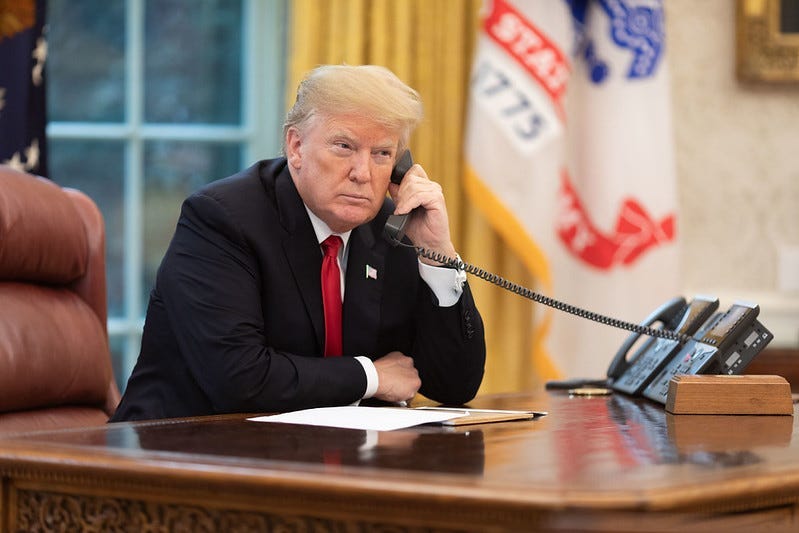
Tension is reportedly building behind the gilded gates of Mar-a-Lago as Donald Trump grows increasingly frustrated that foreign governments are refusing to fall in line with his demands regarding the widening investigations into Jeffrey Epstein’s accomplices. According to guests who have recently spent time at the Florida resort, the former president has been venting openly about what he sees as a loss of influence abroad, particularly as several European nations move forward with aggressive probes that could expose individuals who once believed their connections would remain safely buried.
France, Poland, the United Kingdom, and Lithuania have all launched or expanded investigations tied to Epstein’s international network, and prosecutors in those countries appear unwilling to heavily redact documents or shield powerful names in the way some critics argue happened within certain U.S. proceedings. That shift has reportedly rattled not only political circles but also billionaire elites who had assumed the scandal’s most explosive details would never see the light of day.
Guests at Mar-a-Lago describe Trump as visibly irritated that foreign justice departments are operating independently of any influence he might attempt to exert. Some claim he has been making phone calls and expressing disbelief that leaders abroad are not responding to him the way they once might have. The frustration, according to those present, stems from the simple reality that foreign prosecutors answer to their own legal systems and voters, not to political pressure from outside their borders.
What appears to sting most is the lack of control over how evidence is handled overseas. In the United States, disputes over redactions and prosecutorial discretion have already fueled partisan battles. But European legal systems function differently. In several of the countries now investigating, transparency laws and independent magistrates can significantly limit political interference. That independence has sparked anxiety among global business figures who worry that cross-border cooperation could unearth communications, travel records, or financial links previously thought untouchable.
The atmosphere at Mar-a-Lago, described by multiple attendees, has shifted from confident dismissal to uneasy speculation. Some guests have privately compared the mood to a kind of siege mentality, with whispers that Trump feels surrounded by forces he cannot command. A few even described what they called “Jim Jones vibes,” not in the literal sense, but as shorthand for a leader growing angrier and more insular as outside institutions refuse to bend.
Allies of Trump reject those characterizations, arguing that he is simply frustrated by what they see as politically motivated investigations abroad. They maintain that the former president has every right to defend himself and question the timing of new probes. Supporters also insist that foreign governments are pursuing their own agendas and that attempts to frame this as a collapse of Trump’s influence are exaggerated by critics eager for dramatic headlines.
Still, the international scope of the Epstein scandal complicates any effort to contain it within U.S. political boundaries. Epstein’s connections spanned continents, involving travel, financial transactions, and associations that crossed legal jurisdictions. As prosecutors in Europe examine evidence independently, there is growing speculation that information suppressed or delayed in one country could resurface in another.
For billionaires and high-profile figures who once felt shielded by legal maneuvering or political alliances, that prospect is unsettling. Financial markets are sensitive to scandal, and reputations built over decades can unravel quickly if tied to explosive revelations. Insiders suggest that quiet conversations are already happening among powerful circles about crisis management and legal defense strategies should foreign indictments emerge.
The broader story unfolding is not just about Trump’s reported frustration. It reflects a moment when global legal systems are asserting their autonomy. International investigations often move slowly, but once underway, they are difficult to halt. Mutual legal assistance treaties and cross-border cooperation agreements can allow evidence gathered in one country to influence proceedings in another.
At Mar-a-Lago, where the atmosphere once revolved around confident displays of political comeback energy, the mood now reportedly carries a sharper edge. Guests say Trump oscillates between dismissing the foreign investigations as overblown and expressing anger that he cannot directly shape their trajectory. Whether those investigations ultimately implicate any new figures remains uncertain, but the sense of unpredictability is clearly unsettling those accustomed to operating within controlled narratives.
As Europe presses forward, the Epstein saga continues to ripple outward. What began as a domestic scandal has transformed into an international reckoning that transcends borders, alliances, and traditional centers of influence. For some, it signals accountability finally catching up with power. For others, it represents a politically charged storm gathering momentum.
Either way, the investigations now unfolding abroad operate beyond the reach of any single political figure. And that reality, more than anything, appears to be what is fueling the tension inside one of Florida’s most famous resorts.

BREAKING: Donald Trump Addresses the Nation After Being Impeached and Removed from Power

BREAKING: Iran attacks US 5th fleet in Bahrain after Trump launched ‘massive’ US and Israeli attack on Iran

Donald Trump is issuing an executive order declaring a “national emergency” to give himself unprecedented powers over elections. The order could allow him to interfere with voting ahead of the midterm elections.

BREAKING: Donald Trump is reportedly “raving mad” that Democrats will be broadcasting a live feed of his SOTU speech tonight from a thermal camera that shows if he poops himself, and is furious that this “Trump Dump Detector” could get more viewers than the regular broadcast.

BREAKING: The Republicans deposing Bill and Hillary Clinton over the next two days are reportedly extremely nervous because Donald Trump—very out of character—hasn’t said a word about it, and they’re afraid the Clintons’ answers might lead to the end of Trump’s presidency.

At the 2026 State of the Union, Sen. Markwayne Mullin Tries to Snatch Rep. Al Green’s “Black People Aren’t Apes” Sign Referencing Donald Trump’s Truth Social AI Post Depicting the Obamas as Apes — Green Files Criminal Assault Charges, Says Mullin “Doesn’t Like the Truth Seeping Through,” and Claims His Explanation Shows He’s Desperate to Please Trump

JUST IN: Minnesota Gov. Tim Walz calls for the U.S. to pass a law requiring that when Congress votes to go to war, an immediate family member of each member of Congress must immediately be enlisted. See Trump’s Enraged 6-Words Reaction

Appointed AG Jack Smith had 86 witnesses ready to covict Donald Trump for attempting a goddamn coup and all of them were Republicans. His report was then blocked by Trump appointed Judge Aileen Cannon.

BREAKING: Taylor Swift and Travis Kelce’s Secret Vacation in Mexico Turns Tragic in Puerto Vallarta as Mexican Cartel Sets Fires, Pulls People from Their Cars, and Burns Vehicles After a Cartel Leader Was Killed — With Heavy Hearts, Sources Confirm the Couple Has Been…

JUST IN: Greenland PM Jens-Frederik Nielsen says: “President Trump’s idea to send a US hospital ship here to Greenland has been duly noted. But we have a public health system where care is free for citizens.”

JUST IN: Denmark just officially rejected President Trump’s sudden deployment of a “great hospital boat” to Greenland, bluntly declaring the territory does not need foreign healthcare
