
NEWS
NATO Responds as Trump Hails Greenland Deal Covering the Entire Region, With Parts Set to Become U.S. Territory for American Bases Under Agreement With NATO to End Tariff Threats

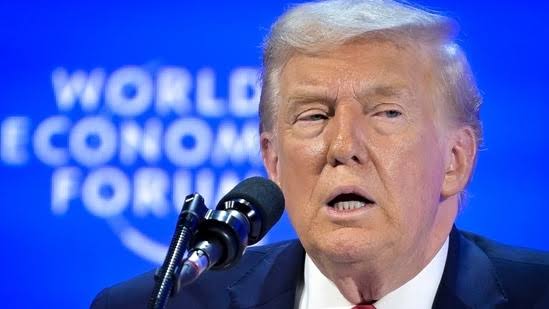
NATO has responded after President Donald Trump publicly celebrated what he described as a landmark Greenland deal covering the entire Arctic region, signaling a dramatic shift in U.S. relations with its closest allies and reigniting global debate over sovereignty, security, and power.
Speaking confidently on the international stage, Trump framed the agreement as a strategic breakthrough that strengthens American influence while securing NATO’s long-term defense posture in the Arctic.
According to Trump, the deal emerged after intense negotiations with NATO leadership, culminating in an understanding that eased mounting tensions caused by his recent tariff threats against several European nations.
Those tariffs, which were poised to hit key allies, had been linked directly to resistance over U.S. plans for expanded control and military access in Greenland.
With the framework now in place, Trump declared the tariff standoff resolved, portraying the outcome as a victory for both American security interests and alliance unity.
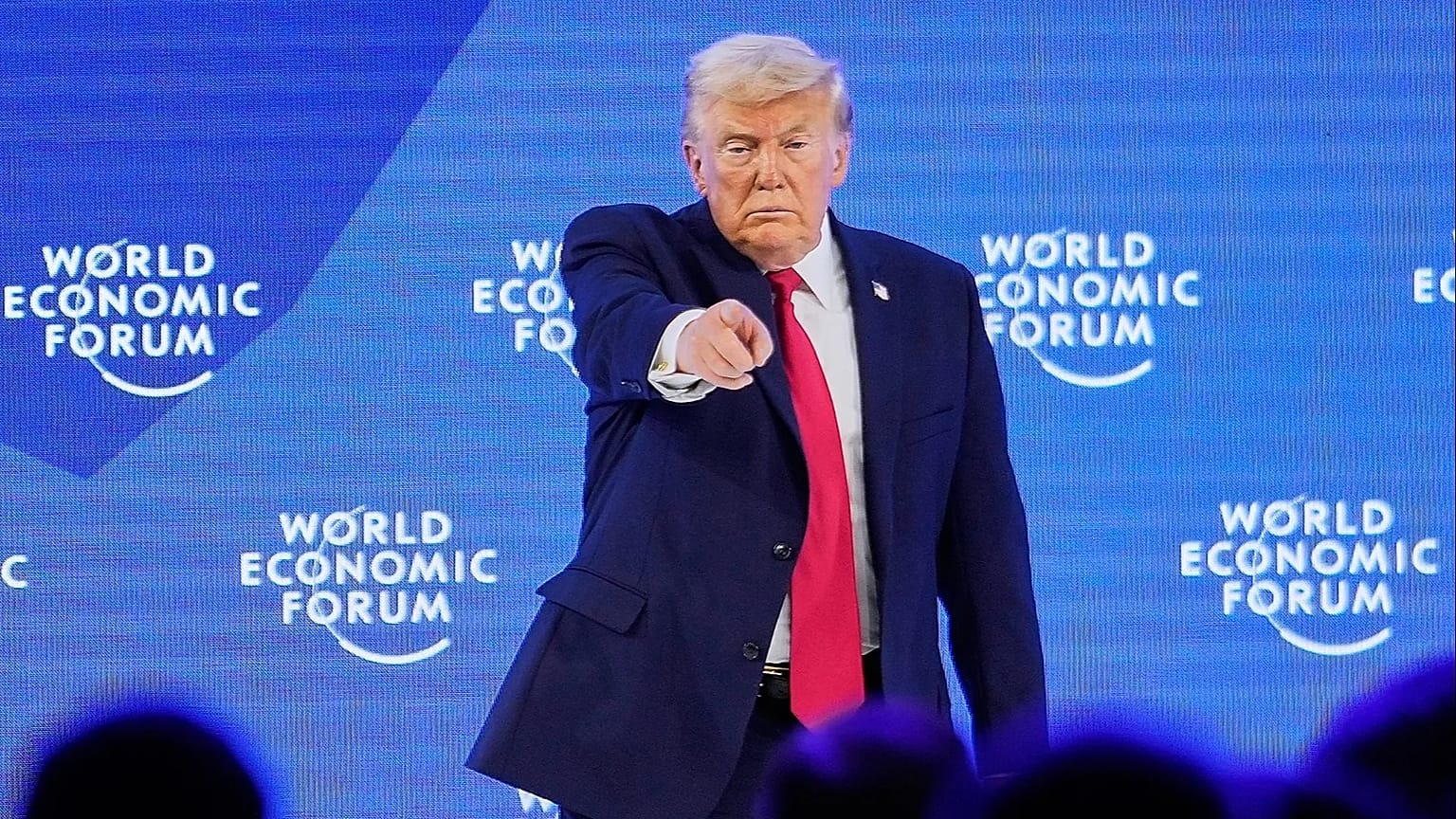
At the center of the controversy is Greenland’s immense strategic value. The Arctic territory sits at a crucial crossroads for missile defense, early-warning systems, and global shipping routes, especially as melting ice opens new passages and competition with rival powers intensifies.
Trump has repeatedly argued that U.S. access to Greenland is essential to counter growing influence from Russia and China in the region, insisting that America cannot afford to fall behind in what he sees as the next major geopolitical theater.
Under the terms Trump outlined, parts of Greenland would be designated for expanded U.S. military use, including new or enhanced bases aimed at strengthening missile defense and Arctic surveillance. While Trump stopped short of providing legal specifics, he suggested that portions of the territory would effectively come under U.S.
control through NATO-backed arrangements, sparking immediate questions about how far the agreement goes and what it means for Greenland’s political future.
NATO officials responded cautiously, emphasizing continued cooperation and dialogue while avoiding explicit confirmation of any transfer of sovereignty.
The alliance framed the discussions as part of broader efforts to modernize Arctic defense and maintain stability in the region. Still, the lack of detailed public clarification has only fueled speculation, with critics warning that the language used by Trump could inflame tensions both within Europe and among Greenland’s own population.
Denmark, which maintains sovereignty over Greenland while allowing a high degree of self-rule, has long resisted any suggestion of selling or surrendering territory.
Danish leaders have reiterated that Greenland’s future must be determined by its people, not imposed through external pressure. That stance remains a major fault line beneath Trump’s bold claims, as international law and alliance norms complicate any attempt to redefine territorial control.
Trump’s rhetoric, however, left little doubt about his confidence in the outcome. He described the deal as covering the entire region and positioned it as a cornerstone of a broader Arctic strategy that could reshape global defense dynamics.
In doing so, he leaned into his long-standing approach of using economic leverage and public pressure to force negotiations, an approach that has both energized supporters and alarmed critics.
The episode has underscored deeper strains within NATO as members grapple with how to balance unity against increasingly unilateral moves from Washington. While the immediate tariff threat has been lifted, the longer-term implications of Trump’s Greenland push remain unresolved. Allies are now watching closely to see whether the framework leads to concrete agreements or unravels under political and legal scrutiny.
For Greenland, the moment is especially significant. The territory has found itself thrust into the center of global power politics, with its land and strategic position suddenly the focus of competing interests. Local leaders and residents face growing uncertainty about how international negotiations could affect their autonomy, environment, and way of life.
As negotiations continue behind closed doors, the so-called Greenland deal stands as one of the most provocative developments in recent transatlantic relations.
Whether it becomes a lasting security arrangement or another flashpoint in an already volatile geopolitical landscape remains to be seen. What is clear is that Trump’s declaration has once again pushed the boundaries of diplomatic norms, leaving NATO, Europe, and the Arctic region confronting questions that may define the next chapter of global security.

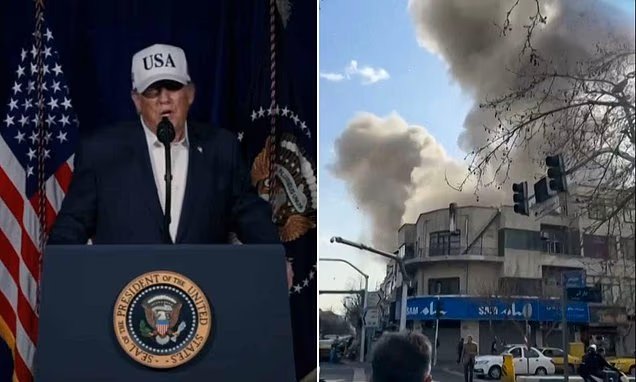
BREAKING: Iran attacks US 5th fleet in Bahrain after Trump launched ‘massive’ US and Israeli attack on Iran

Donald Trump is issuing an executive order declaring a “national emergency” to give himself unprecedented powers over elections. The order could allow him to interfere with voting ahead of the midterm elections.

BREAKING: Donald Trump is reportedly “raving mad” that Democrats will be broadcasting a live feed of his SOTU speech tonight from a thermal camera that shows if he poops himself, and is furious that this “Trump Dump Detector” could get more viewers than the regular broadcast.

BREAKING: The Republicans deposing Bill and Hillary Clinton over the next two days are reportedly extremely nervous because Donald Trump—very out of character—hasn’t said a word about it, and they’re afraid the Clintons’ answers might lead to the end of Trump’s presidency.

At the 2026 State of the Union, Sen. Markwayne Mullin Tries to Snatch Rep. Al Green’s “Black People Aren’t Apes” Sign Referencing Donald Trump’s Truth Social AI Post Depicting the Obamas as Apes — Green Files Criminal Assault Charges, Says Mullin “Doesn’t Like the Truth Seeping Through,” and Claims His Explanation Shows He’s Desperate to Please Trump

JUST IN: Minnesota Gov. Tim Walz calls for the U.S. to pass a law requiring that when Congress votes to go to war, an immediate family member of each member of Congress must immediately be enlisted. See Trump’s Enraged 6-Words Reaction

Appointed AG Jack Smith had 86 witnesses ready to covict Donald Trump for attempting a goddamn coup and all of them were Republicans. His report was then blocked by Trump appointed Judge Aileen Cannon.

BREAKING: Taylor Swift and Travis Kelce’s Secret Vacation in Mexico Turns Tragic in Puerto Vallarta as Mexican Cartel Sets Fires, Pulls People from Their Cars, and Burns Vehicles After a Cartel Leader Was Killed — With Heavy Hearts, Sources Confirm the Couple Has Been…

JUST IN: Greenland PM Jens-Frederik Nielsen says: “President Trump’s idea to send a US hospital ship here to Greenland has been duly noted. But we have a public health system where care is free for citizens.”

JUST IN: Denmark just officially rejected President Trump’s sudden deployment of a “great hospital boat” to Greenland, bluntly declaring the territory does not need foreign healthcare

BREAKING: Top GOP pollsters warn that if Trump keeps tariffing the world, and starts a war in Iran, and doesn’t arrest any other Epstein pedophiles, and keeps stealing billions of tax dollars, “The Dems will win enough Senate seats to impeach him and JD for President Jeffries.”
