
NEWS
BREAKING: James Comer is reportedly terrified because he only demanded that the Clintons testify to impress Donald Trump

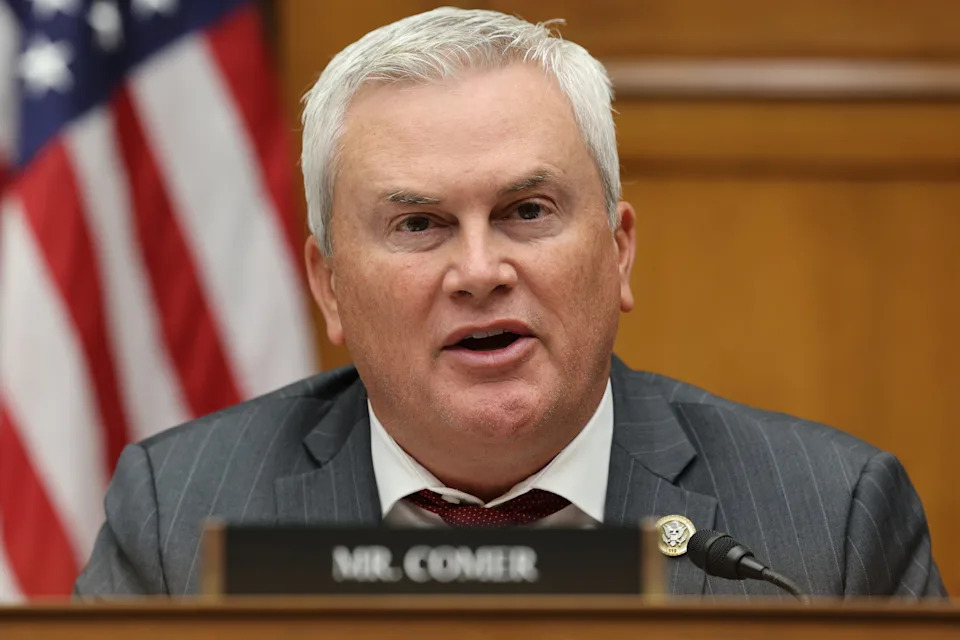
In a twist that few in Washington saw coming, Rep. James Comer is reportedly facing mounting pressure behind closed doors after what was initially viewed as a bold political maneuver has taken an unexpected turn. The Kentucky Republican, who has been vocal in demanding testimony from Bill and Hillary Clinton, allegedly pushed for their appearance in what insiders describe as a calculated attempt to impress former President Donald Trump and solidify his standing among the GOP’s most loyal base. But now that the Clintons have signaled they are willing to testify — and are insisting the proceedings be fully televised — the situation has reportedly shifted from confident bravado to quiet concern.
Sources familiar with the matter claim Comer did not anticipate the Clintons would so readily agree. The demand, some say, was crafted more as a political message than a serious expectation of compliance. For months, public rhetoric around investigations tied to Jeffrey Epstein and broader allegations of elite misconduct has fueled partisan tension. By calling on the Clintons to testify, Comer positioned himself as a forceful advocate of transparency and accountability, appealing directly to conservative voters who have long scrutinized the former first family’s connections.
But the Clintons’ response appears to have upended that strategy. Rather than resist or delay, they reportedly welcomed the opportunity, with allies suggesting they see a televised hearing as a chance to address lingering accusations in a public forum. The insistence on cameras has only intensified the drama. Televised congressional hearings carry unpredictable risks; they can redefine narratives in a single afternoon. Lawmakers who once felt firmly in control of the storyline sometimes find themselves reacting in real time to testimony that reshapes public perception.
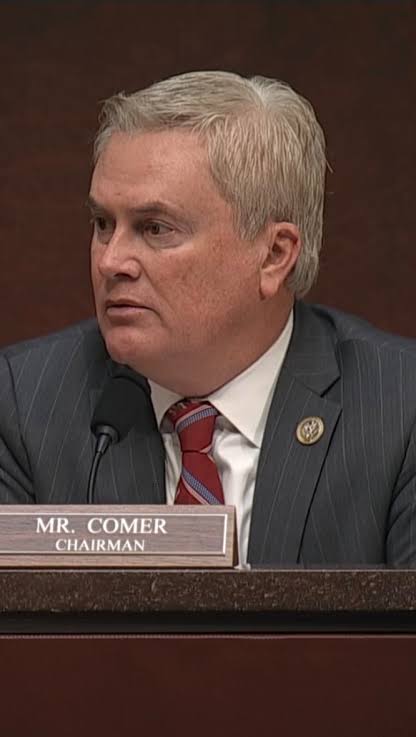
According to individuals close to the situation, Comer is now grappling with a dilemma. If the hearing proceeds and the Clintons take the stage, the spotlight will not only shine on them but also on the broader web of political figures tied to the issues under examination. The concern, some insiders suggest, is not merely about what the Clintons might deny or defend — it is about what they might redirect. In Washington, hearings are rarely one-directional. Witnesses can introduce context, counter-allegations, or documentation that shifts scrutiny elsewhere.
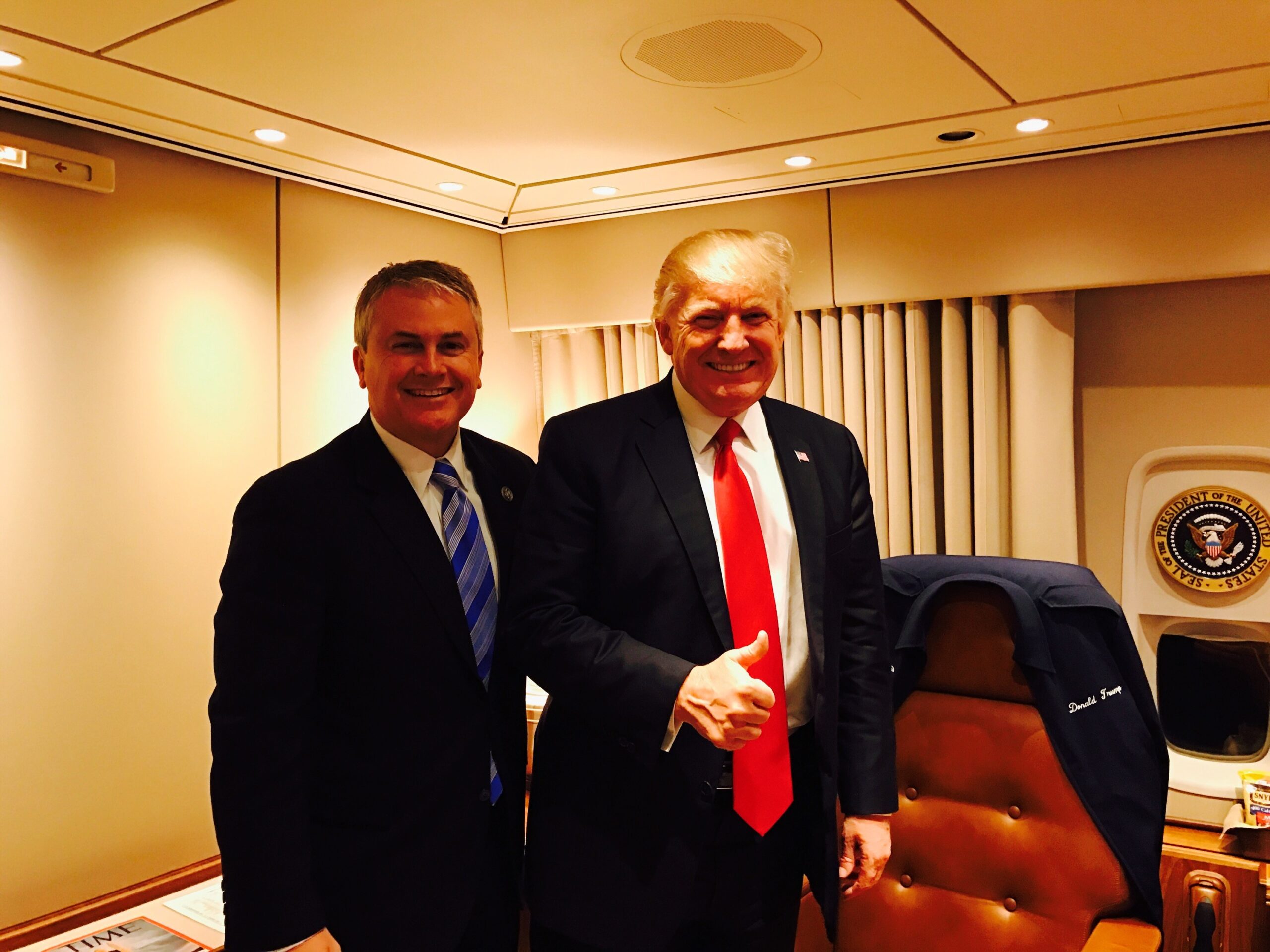
There is also the political calculus to consider. If the Clintons use the platform to highlight Republican figures, including Donald Trump, in ways that complicate existing narratives, the hearing could transform from a partisan offensive into a high-stakes exchange. Trump has consistently denied wrongdoing related to Epstein, but the topic remains politically sensitive. Any unexpected testimony that connects dots or raises new questions could reverberate far beyond Capitol Hill.
Observers note that televised hearings often become theater as much as governance. Members of Congress use their allotted minutes to deliver pointed remarks, while witnesses seek to frame their own legacies. For Comer, who has built much of his recent profile around aggressive oversight, the stakes are personal as well as political. A hearing perceived as backfiring could dent his credibility among colleagues and constituents alike.
Democrats, meanwhile, appear to be watching closely. Some see opportunity in what they view as overreach. If the Clintons present a composed, detailed defense while challenging the premise of the investigation, it could energize their supporters and shift media attention. In today’s hyper-connected environment, clips from such hearings can circulate within minutes, shaping public opinion long before full transcripts are read.
All of this unfolds against the broader backdrop of an election cycle already saturated with tension. Allegations, counter-allegations, and investigations have become familiar features of modern American politics. Yet the unpredictability of live testimony still carries unique power. No amount of pre-hearing messaging can fully control what a witness might say under oath or how members might respond in the moment.
For Comer, what began as a confident demand has reportedly evolved into a waiting game filled with uncertainty. Allies insist he remains committed to transparency and has nothing to fear from a public proceeding. Critics argue that the episode illustrates the hazards of political grandstanding in an era when opponents are quick to seize the microphone.
Whether the hearing ultimately proceeds as planned or becomes entangled in procedural delays remains to be seen. What is clear is that the dynamic has shifted. The Clintons’ willingness to testify — and to do so before a national audience — has transformed the narrative from one of accusation to one of anticipation. In Washington, anticipation can be as powerful as evidence, and sometimes far more unpredictable.
As Capitol Hill braces for what could become one of the most watched hearings of the year, the question now is not simply what the Clintons might say. It is how every word, every exchange, and every televised moment might ripple through an already volatile political landscape.







BREAKING NEWS: Kansas City Chiefs Mourn the Passing of Head Coach Andy Reid

OFFICIALLY CONFIRMED: Taylor Swift Reveals the Shocking Reason Behind the End of Her One-Week Marriage to NFL Star Travis Kelce

End of an Era: Travis Kelce Formally Announces Retirement from the NFL
Travis Kelce Overwhelmed With Emotion as Donald Trump Surprises Him With a Heartwarming $28 Million Wedding Gift Days After His Wedding

Here LIVE: Travis Kelce in Tears After the Death of His Most Loved One Just Days After His Wedding
BREAKING NEWS: Travis Kelce Announces Heartbreaking Retirement Decision Just Days After His Wedding—Says He Wants to Spend More Time With His Wife

Taylor Swift & Travis Kelce’s Wedding Cake Left 1,000 Guests in Awe—Fans Are Still Talking About It

JUST IN: 20 Minutes Ago in Philadelphia, Pennsylvania, Jason Kelce Was Officially Confirmed…

10 MINUTES AGO IN NEW YORK: Taylor Swift and Travis Kelce OFFICIALLY CONFIRM THEY ARE…
Taylor Swift and Travis Kelce Enjoy Romantic Dinner at 1587 Prime After Historic Hall of Fame Induction Festivities in NYC

Taylor Swift Invites Fiancé Travis Kelce to the Stage During Her Songwriters Hall of Fame Induction Speech in NYC – But She Didn’t Know an Emotional Travis Would Shockingly Confirm What Millions of Fans Have Been Saying All Along… See the FULL Speech Breaking the Internet: “Taylor and I Are…”
